
Company
introduction
introduction
Dongsung pharmaceutical with 60 years of history provides customer oriented total services and future oriented marketing which covers cosmetics and finished medicine.


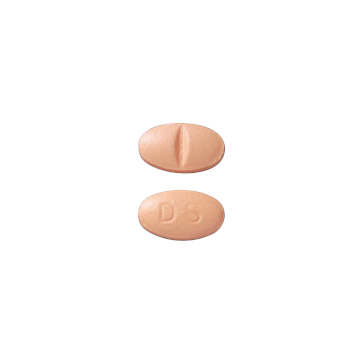
| Product name | : | Simvastatin Tab. |
|---|---|---|
| Product division | : | ETC drug |
| Classification group | : | Circulatory medication |
| Insurance code | : | 643200170 |
| Efficacy and effect | : | 1. Reduced risk for cardi.. |
Basic information
-

- Appearance
- Yellow-brown oval film-coated tablet
-

- DOSAGE AND ADMINISTRATION
-
Patient who is about to take the drug or is taking the drug must have standard cholesterol-reduction diet.
1. Recommanded intial dosage is 40mg a day for adult patient with high risk of coronary disease due to risk for cardiovasular disease, coromary disease, diabetes, peripheral vascular disease, stroke or history of other brain diseases .
2. Hyperlipidemia
1) Reduction of risk in hypercholesterolemia patient with coronary disease
For general initial dosage, administration of 20 mg once a day in the evening is recommended. For mil-moderate hypercholesterolemia patient, the treatment can start from 10mg of this drug.
Medication of 5~40mg once a day in the evening is recommended.
Before start, dose is appropriately controlled depending on initial LDL-cholesterol, goal of the therapy, and response of patient to the drug. 4 weeks after starting the treatment, cholesterol level is measured regularly to control dosage. If cholesterol level gets lower than the goal level, the dosage should be decreased.
Due to risk of myopathy including rhabdomyolysis, administering 80mg for the first year of treatment can be only done in patient who has taken 80mg without evidence of myotoxicity for 12 months (Refer to 1. Caution in Caution).
2) For patients taking fibrates (excluding Gemfibrozil and fenofibrate), admiodarone, verapamil, diltiazem, amlodipine in combination with this drug or specific patient group (homozygous familial hypercholesterolemia patient, elderly, renal dysfunction patient) following contents are to be referred on the recommended dosage.
(1) Medication to homozygous familial hypercholesterolemia patients
For homozygous familial hypercholesterolemia patients, 40 mg is given in the evening, based on comparative clinical test. When combining with other lipid lowering agent (e.g. LDL apheresis), or if other lipid lowering therapy is impossible, this medication is treated.
(2)Elderly can achieve maximum reduction of cholesterol with just 20mg for daily dose.
(3) Medication to patient taking verapamil, diltiazem, or dronedarone
When prescribing combined treatment of this drug with verapamil, diltiazem, or dronedarone, the dose must not exceed 10mg per day.
(4) Administration to patient taking amiodarone, amlodipine, or ranolazine
When prescribing this drug simultaneously to patient taking amiodarone, amlodipine, or ranolazine, the dose of this drug must not exceed 20mg per day (Refer to 6. Interaction in Caution).
(5) Combined medication with other lipid lowering agent
This medication is effective when given in single or simultaneously with bile acid removing agent. When this drug is combined with fibrate (Gemfibrozil (Refer to 2. Do not prescribe in patients of following in Caution) and excluding fenofeverate), the medication must not exceed 10mg per day. (Refer to 6, Interaction in Caution).
(6) Renal dysfunction patient
This drug is excreted via kidney in small proportions, therefore it does not require dose control for mild-moderate renal dysfunction patient, but in severe renal dysfunction patient, initial dose should start from 5mg per day and it should be closely monitored.
3. Medication to child heterozygous familial hypercholesterolemia patient (10-17)
Recommended initial dose is 10mg once a day and is to be administered in evening. Recommended dose range is 10~ 40mg per day and recommended maximum dose is 40mg a day. The dose is controlled individually based on recommended goal of therapy. When controlling the dose, there must be 4 weeks of interval or more.
-

- Ingredient / content
-
per 1 tablet
- Simvastatin20mg
-

- standard
- 30, 100 tablet
-

- How to Save
- Airtight container, Store at room temperature (1~30℃)
-

- Efficacy and effect
-
1. Reduced risk for cardiovascular diseases of following
Adult patient with a high risk of coronary artery disease due to a history of coronary heart disease, diabetes, peripheral vascular disease, stroke or other cerebrovascular disease
1) Reduced risk of coronary heart disease death
2) Reduced risk of nonfatal myocardial infarction and stroke
3) Reduced risk of coronary and non-coronary revascularization
2. Hyperlipidemia
1) Primary hypercholesterolemia(familial and non-familial heterozygote) and mixed dyslipidemia (Fredrickson type IIa and IIb) supplement for dietary treatment that decreases elevatted total cholesterol, LDL-cholesterol, Apo-B protein and triglyceride and increases HDL-cholesterol
2) type Ⅲ : Primary dysbetalipoproteinemia
3) type Ⅳ : Hypertriglyceridemia
4) In conditions that requires to be combined with other lipid reduction treatment (eg. LDL apheresis) or no other treatment is available to lower total cholesterol and LDL-cholesterol in homozygous familial hypercholesterolemia
Before starting the treatment with this drug, it must be confirmed if there is cause for secondary hyperlipidemia, and lipid level of total cholesterol, HDL-cholesterol and triglyceride must be measured.
3. Child patient with heterozygous familial hypercholesterolemia
Supplementary drug for dietary treatment to reduce total cholesterol, LDL-cholesterol, Apo-B protein level in child patients in 10 ~ 17 with heterozygous familial hypercholesterolemia (for women, patient who have passed at least 1 year after menarche) who meet criteria of below despite dietary intervention
A. When LDL-cholesterol is still 190 mg/dL or higher (≥190 mg/dL) or
B. When LDL-cholesterol is still 160 mg/dL or higher (≥160 mg/dL), and the patient has familial history for early cardiac disease or the child patient has two or more different risk factors for cardiovascular disease

DONGSUNG BIO PHARM SNS


