
Company
introduction
introduction
Dongsung pharmaceutical with 60 years of history provides customer oriented total services and future oriented marketing which covers cosmetics and finished medicine.


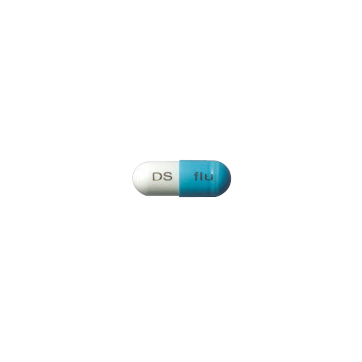
| Product name | : | DOKIRAN Cap. |
|---|---|---|
| Product division | : | ETC drug |
| Classification group | : | Antifungal agent |
| Insurance code | : | 643200230 |
| Efficacy and effect | : | 1. Acute or recurrent vag.. |
Basic information
-

- Appearance
- Soft capsule blue in top and white in bottom with white or off-white powder
-

- DOSAGE AND ADMINISTRATION
-
The route of drug administration depends on the clinical condition of the patient.
Since the oral medication is absorbed fast and completely, the dosages of oral medication (capsules, dry syrups) and injetion are the same.
adult
1. Vaginal candidiasis: single dose of oral fluconazole, 150 mg
2. mucositis candidiasis
1) Oral pharyngeal candidiasis: usually 50mg once a day for 7-14 days, and can be extended by the doctor's decision.
2) Chronic Atrophic Oral Candidiasis (Oral pain due to dentures): usually 50 mg once a day for 14 days and local disinfection of the dentures should be performed.
3) Other mucosal candidiasis (esophageal candidiasis excluding vaginal candidiasis, noninvasive bronchial infections, candidiasis, mucocutaneous candidiasis, etc.): usually 50 mg once a day for 14-30 days, and in case of intractable mucinous candidiasis, it can be increased to 100 mg per day.
3. Systemic candidiasis including candidiasis, disseminated candidiasis, and other invasive Candida infections (peritoneal, endocardial, pulmonary, urinary, etc.): Usually, 400 mg is administered on the first day and 200 mg once a day. It may be increased up to 400 mg per day depending on the patient's response. The duration of the treatment depends on the clinical response and medical judgment.
4. Cryptococcus meningitis and cryptococcosis in other areas: usually 400 mg is administered on the first day and 200 to 400 mg is administered once a day from the next day. The duration of treatment is determined by clinical response and mycological response, but usually should be at least 6 to 8 weeks.
5. In order to prevent the recurrence of Cryptococcus meningitis in AIDS patients, patients should receive at least 100 mg once a day after receiving all the basic treatment.
The route of drug administration depends on the clinical condition of the patient.
Since the oral medication is absorbed fast and completely, the dosages of oral medication (capsules, dry syrups) and injetion are the same.
adult
1. Vaginal candidiasis: single dose of oral fluconazole, 150 mg
2. mucositis candidiasis
1) Oral pharyngeal candidiasis: usually 50mg once a day for 7-14 days, and can be extended by the doctor's decision.
2) Chronic Atrophic Oral Candidiasis (Oral pain due to dentures): usually 50 mg once a day for 14 days and local disinfection of the dentures should be performed.
3) Other mucosal candidiasis (esophageal candidiasis excluding vaginal candidiasis, noninvasive bronchial infections, candidiasis, mucocutaneous candidiasis, etc.): usually 50 mg once a day for 14-30 days, and in case of intractable mucinous candidiasis, it can be increased to 100 mg per day.
3. Systemic candidiasis including candidiasis, disseminated candidiasis, and other invasive Candida infections (peritoneal, endocardial, pulmonary, urinary, etc.): Usually, 400 mg is administered on the first day and 200 mg once a day. It may be increased up to 400 mg per day depending on the patient's response. The duration of the treatment depends on the clinical response and medical judgment.
4. Cryptococcus meningitis and cryptococcosis in other areas: usually 400 mg is administered on the first day and 200 to 400 mg is administered once a day from the next day. The duration of treatment is determined by clinical response and mycological response, but usually should be at least 6 to 8 weeks.
5. In order to prevent the recurrence of Cryptococcus meningitis in AIDS patients, patients should receive at least 100 mg once a day after receiving all the basic treatment.
6. Prevention of fungal Infections in patients with immunodeficiency who are at risk of fungal infections due to cytotoxic chemotherapy, radiation therapy, and neutropenia due to bone marrow transplantation: Should be administered based on the risk of fungal infections in patients. Patients with a high risk of systemic fungal infections, such as those with bone marrow transplantation, or in other words, patients with severe neutropenia or prolonged neutropenia are recommended 400 mg daily. For these patients, 400 mg should be administered 5-6 days prior to the onset of neutropenia, and 400 mg should be administered for a week after the neutrophil count has increased to over 1,000 cells / mm 3.
7. For fingernail and toenail fungus, 150 mg is administered once a week. The duration of administration is until the fingernails and toenails grow back (until new uninfected fingernails and toenails grow). The time it takes for new fingernails to grow is usually about 3-6 months, and for toenails, it takes about 6-12 months. Growth rates may vary depending on individual and by age. Occasionally, hands and toenails remain damaged after successful prolonged treatment. Skin fungal infections including skin athlete's foot (foot tinea), tinea corporis, tinea cruris, and skin candidiasis: usually 50 mg once a day or 150 mg once a week is administered for 2-4 weeks. However, athlete's foot may require 6 weeks of treatment depending on the progression. For phloem, 50mg is administered once a day for 2-4 weeks.
infant
Pediatric doses based on adult doses follows the following standards and do not exceed a maximum of 400 mg:
Adult dose: 100 mg = Pediatric dose: 3 mg / kg
Adult dose: 200 mg = Pediatric dose: 6 mg / kg
Adult dose: 400 mg = Pediatric dose: 12 mg / kg
However, safety and efficacy for infants less than 6 months old are not established (see precautions on use).
1. Oral Pharyngeal Candidiasis - Take 2 mg per kilogram of body weight on the first day and 3 mg per kilogram of body weight per day from the next day. It should be administered for at least 2 weeks to prevent recurrence.
2. Esophageal Candidiasis - 6 mg / kg of body weight on the first day and 3 mg / kg of body weight on the first day are administered as azithromycin. Depending on the patient's response, the dose can be increased up to 12 mg / day per kilogram. The treatment is to be continued for at least 3 weeks and at least 2 weeks after symptom loss.
3. Systemic candidiasis including candidiasis, disseminated candidiasis and other invasive Candida infections (peritoneal, endocardial, pulmonary, urinary, etc.) - doses of 6-12 mg per kg of body weight per day. The duration of the treatment depends on the clinical response and medical judgment.
4. Cryptococcus meningitis - Take 12 mg / kg of body weight on the first day and 6 mg / kg of body weight from the next day. Depending on the patient's response, the dose can be increased to 12 mg per kg body weight per day. The treatment period is 10-12 weeks after CSF culture negative findings.
5. In order to prevent the recurrence of Cryptococcus meningitis in AIDS patients, the patient should be given 6 mg / kg of body weight once a day after receiving all the basic treatment.
6. Children with renal impairment should be given the same dose as the adult renal patients, depending on the degree of renal impairment. When dosing is less than 10 mg, syrup should be administered orally or injected intravenously, depending on the clinical condition of the child, in order to achieve the correct amount.
Elderly
If the renal function is normal, the adult dose is usually administered. If there is renal impairment (creatinine clearance of 40 ml / min or less), the dose should be decreased or the interval between doses should be increased.
A renal patient
This drug is excreted mainly through the urine, unchanged. In the case of single dose administration, dose adjustment is not necessary. However, in case of multiple administrations, the normal dose should be administered only on the first day of administration, and the dose should be adjusted as follows from the next day.
Creatinine clearance (ml / min):> 50 = recommended dose: 100%
Creatinine clearance (ml / min): <50 (non-dialysis) = recommended dose: 50%
Creatinine clearance (ml / min): Regular dialysis Patient = recommended dosage: 100%
For patients receiving regular dialysis, 100% of the usual dose should be given after each dialysis; On days when dialysis is not performed, the dose should be reduced according to creatinine clearance.
-

- Ingredient / content
-
per 1 capsule
- fluroconazole 50mg
-

- standard
- 100 capsule
-

- How to Save
- Airtight container, Stored at room temperature(1~30℃)
-

- Period of use
- 36 months from manufacture date
-

- Efficacy and effect
-
1. Acute or recurrent vaginal candidiasis
2. Mucosal candidiasis including pharynx, esophagus, and non-invasive bronchial lung infection, candiduria, and mucocytaneous and chronic atropic oral candidiasis (oral pain due to denture)in patient with normal immunity or despaired immunity
3. Systemic candidiasis including candidiasis, disseminated candidiasis and other invasive Candida infections (peritoneal, endocardial, lung, urinary, etc.)
4. Cryptococcus menigitis and cryptoccocus infection in other body parts such as lung, skin in patient with normal immunity, deteriorated immunity (AIDS, organ transplant, or other patient with immunosuppresion therapy)의
5. Maintenance to prevent recurrence of cryptococcus infection in AIDS patient
6. Prevention of fungal infection in immuno-suppresent patient with risk of fungal infection due to cytotoxic therapy, radiothrapy, and neutropenia from bone marrow transplant
7. Skin fungal infection including onychomycosis, athelete's feet (inea pedis),tinea corporis, tinea cruris, pityriasis versicolor and skin candidiasis

DONGSUNG BIO PHARM SNS


